Why Does Water Get Inside Cavity Walls?

Understanding the common causes of moisture problems in brick veneer homes.
Common Symptoms of Cavity Wall Failure
1
Water Inside the Home After Rain
Damp patches, wet carpet edges or moisture marks after heavy rain are early signs of cavity drainage failure.
2
Blistering or Peeling Paint
Paint lifting from the wall surface usually indicates moisture trapped behind plasterboard.
3
Swollen Timber or Mould Growth
Moisture escaping from the cavity can affect skirting boards, window frames, and internal trims.
4
Leaks That Only Occur in Storms
If leaking is storm-dependent, the flashing or weep holes are no longer functioning as intended.
Result: If you see any of these signs, your cavity wall system may have failed and needs inspection before internal damage worsens.

Frequently Asked Questions

How a Cavity Wall Works
about-two-arrow

A brick veneer wall has a gap (cavity) behind the bricks. This gap collects any rainwater that seeps through the bricks and then drains it out through:

  • Flashing (a waterproof layer)
  • Weep holes (small drainage openings)

When these parts fail or weren’t installed properly, moisture starts entering your home.

The Main Causes (Simple & Easy)
about-two-arrow

Missing or Incorrect Flashing:

  • The flashing is what catches water inside the cavity and directs it out through the weep holes.
  • If no flashing was installed, water has nowhere to go and ends up leaking inside the wall.
Blocked Weep Holes
about-two-arrow

Weep holes allow water to escape.When they become blocked by mortar, dirt, spider nests, paving or render, water becomes trapped and forces its way indoors. What customers usually notice:

  • Damp smell near skirting boards
  • Bulging paint
  • Efflorescence on bricks
Soil or Garden Beds Too High
about-two-arrow

If soil, mulch, pavers or decking are built above the weep-hole height, water cannot escape naturally. Why this matters:

  • Water floods back into the cavity
  • Weep holes become completely useless
  • Continuous rising damp issues
Case - study

Cavity Wall Leaking – Strata Common Wall 2025

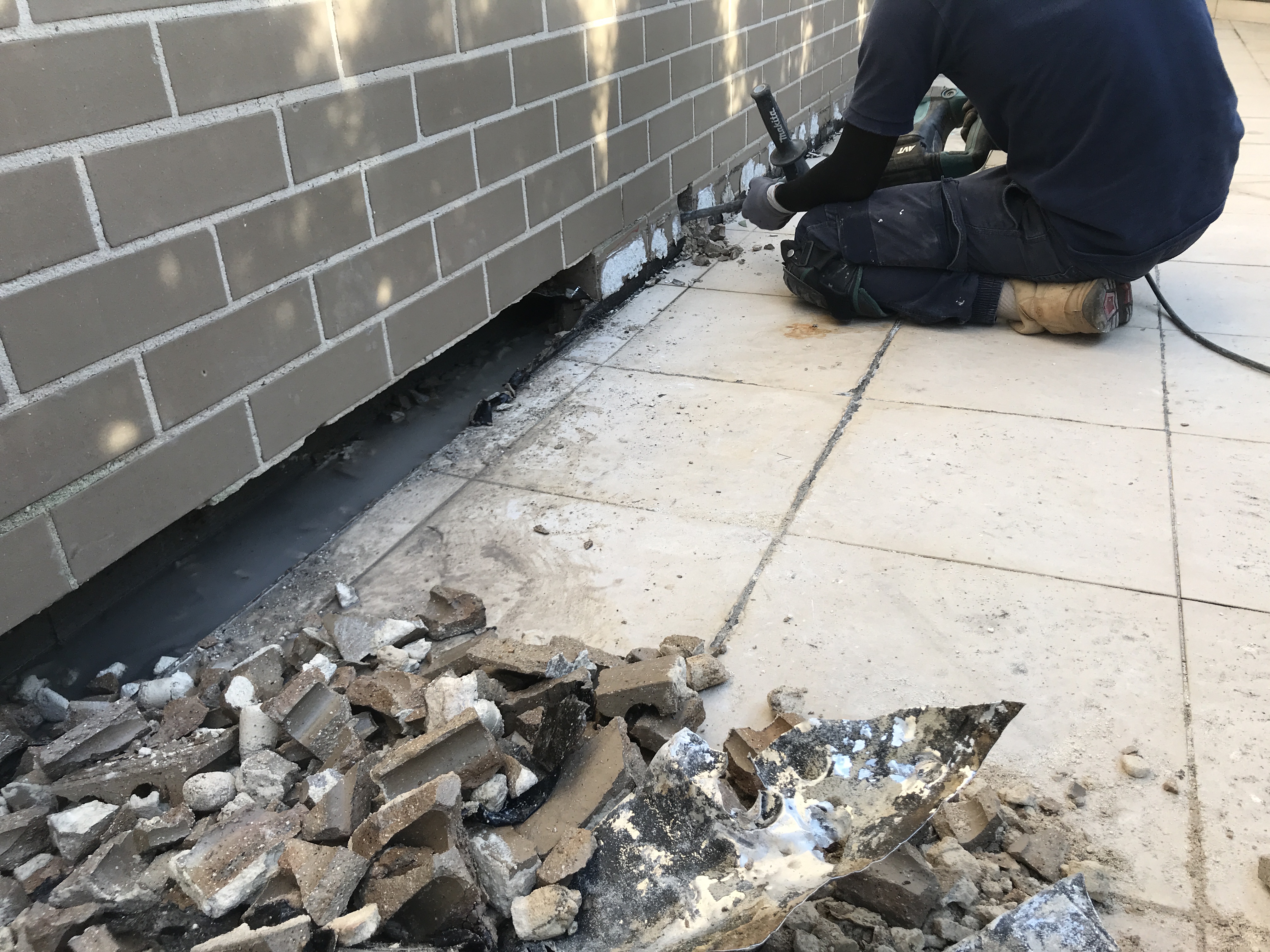
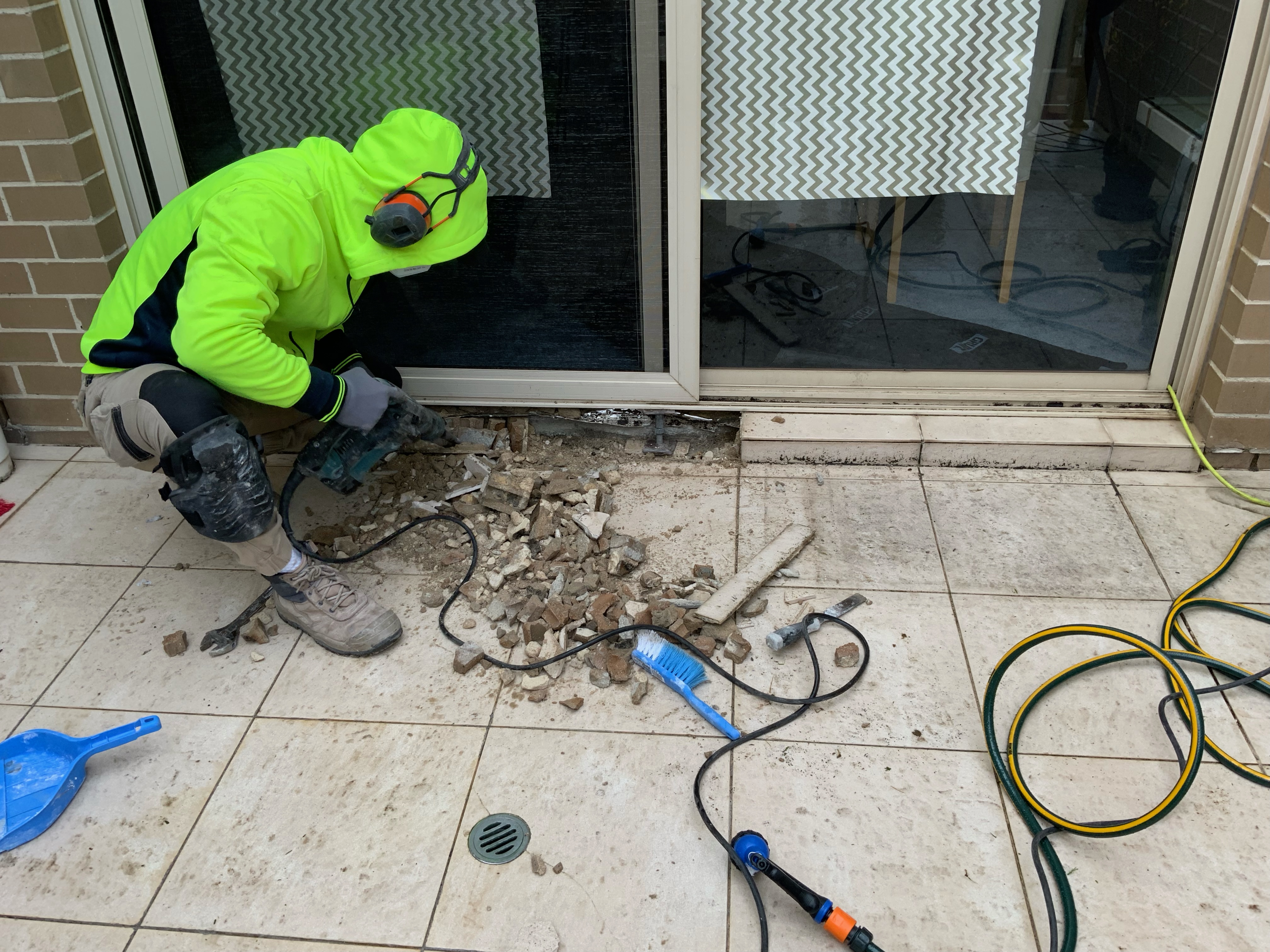
When we opened the wall, we found a significant amount of moisture trapped inside the cavity, which had been releasing into the internal floor area.

Cost from $725
linear metre for brick-removal sections
6years warranty
Final pricing may vary depending on wall layout, access, and the type of brick construction.
Blue Background

Wall junction failure • Flashing limits • Moisture tracking

  • Water can enter through upper wall joints, windows, and box gutters
  • Musty smells or flooding often appear after heavy rain
  • Even well-designed cavity systems fail if construction execution is compromised

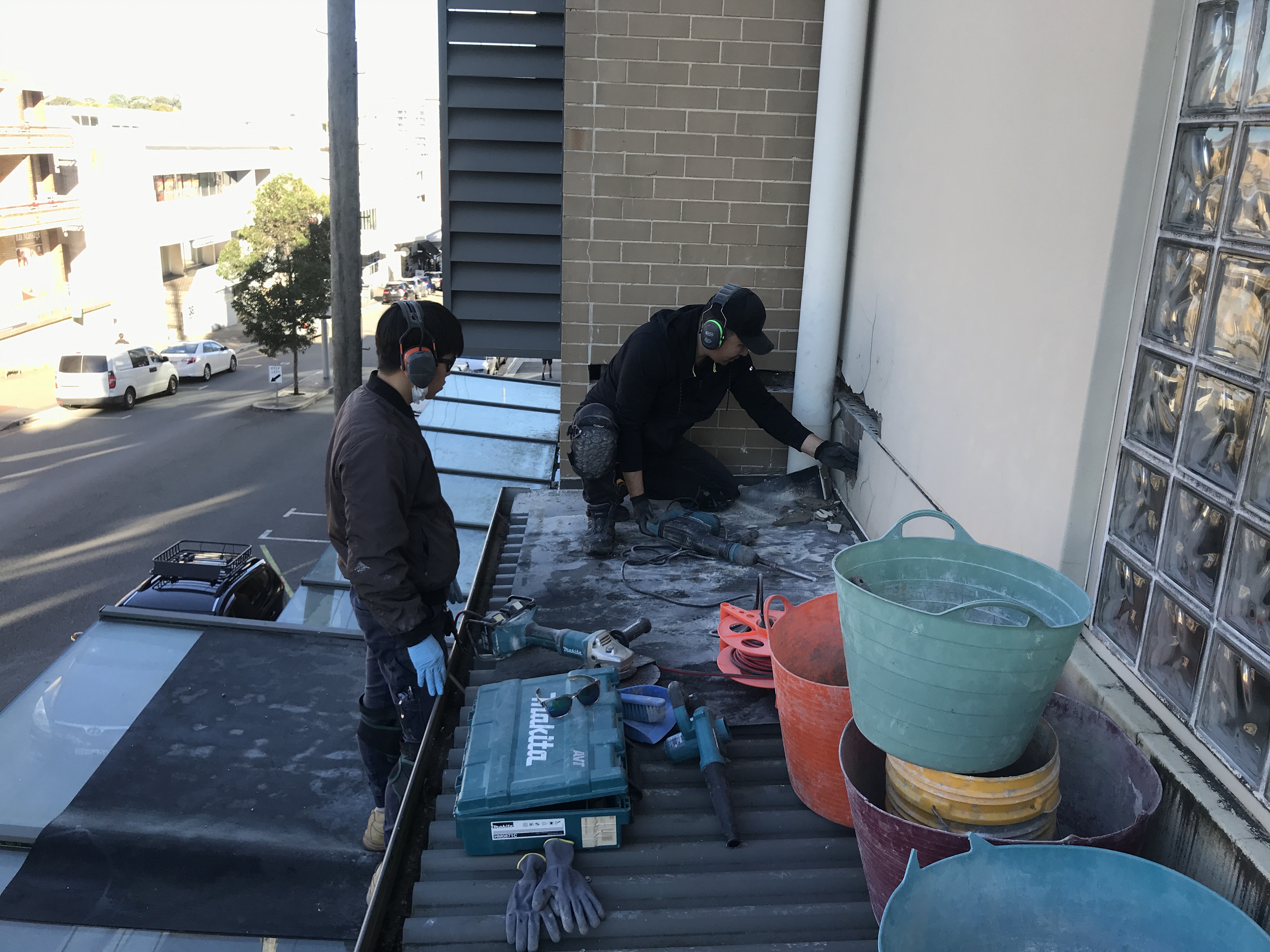
High-level water entry • Gutter defects • Repeated ingress

  • Even small defects in box gutters can push water into cavity walls, leading to mould, odours, and internal damage. Proper investigation prevents costly repeat repairs.

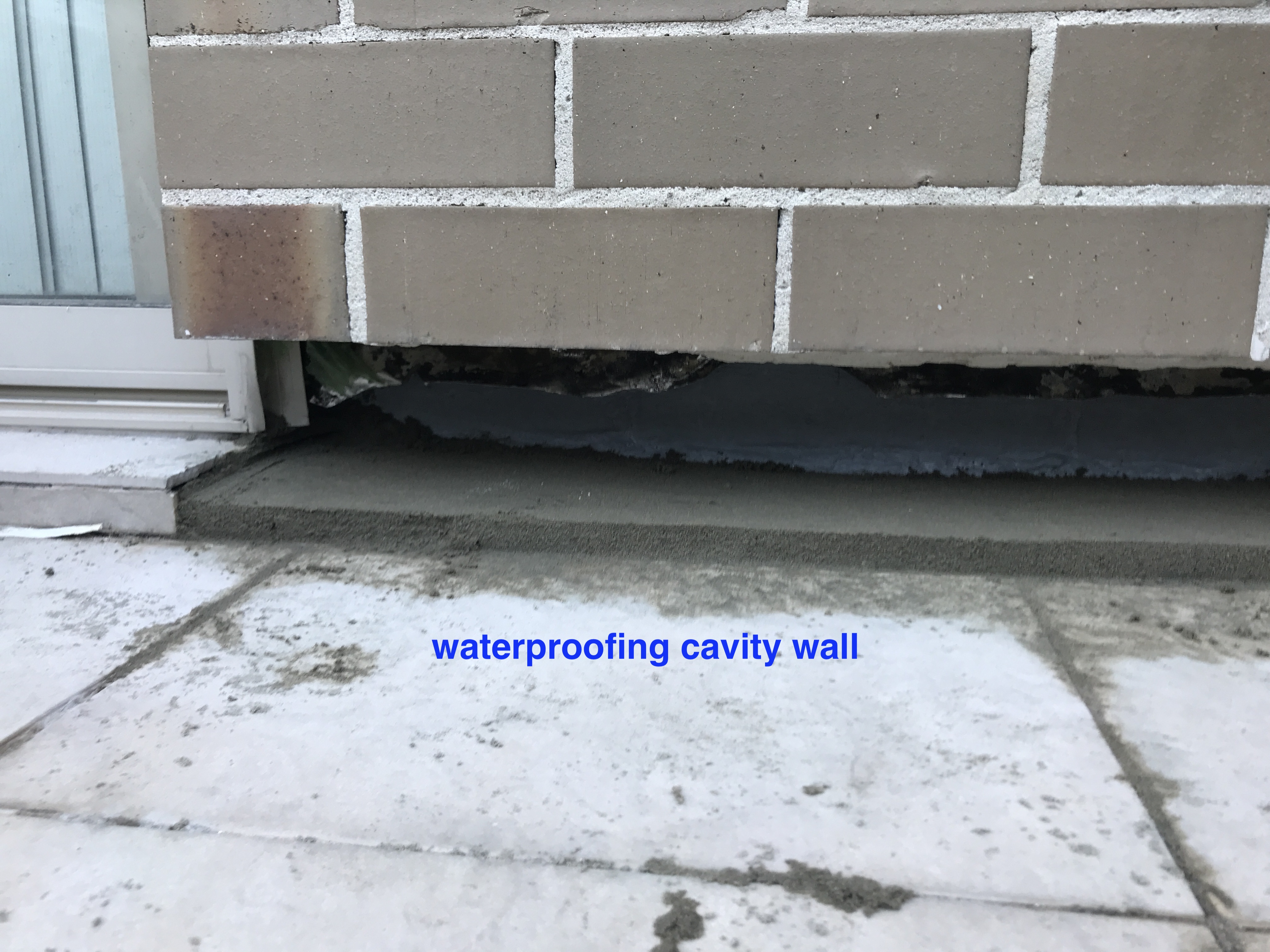
Slab edge breach • Cavity failure • Remedial membrane

  • Water entering through the slab-to-brick interface is a common issue not solved by patching. This project shows the need for roll-type membranes to redirect moisture safely outward.
Site research plan

Get a quote

Cost-Effective Solution
Recommended approach balancing quality and budget.

Water penetration or Structural issue

$250+GST 

RISK-FREE RESEARCH: Your site inspection fee is fully CREDITED BACK to you when the project contract is signed. 

Category A:
Home One Arrow

In-depth site-investigation;

comparative quote for the defined scope.

Detailed Scope of Work

Alternative Solution: Suggestion for a viable alternative if applicable (e.g., phased repair vs. full replacement).

On-Site Session:
- Time Management Planning & Risk Mitigation
- Scheduling & Project Protection Review

Most Popular

Detailed Defect Report:

$750+GST

Analysis of issues and clear, expert solutions.

Category B
Home One Arrow

Complex Assessment: Inspection of multiple units, common property, and complex strata defects.

Vertical Access Included:
Roofs and Balconies
requiring ladder access (up to 7M/two stories).

Concealed Spaces: Comprehensive review of Basements, Sub-floors, and confined areas.

Separate Quote: Provides an independent, comparative quote for the defined scope.

Clarity on Inspection & Report
FAQ
Service area: "Northern Sydney, the Inner West, and Greater Parramatta." more
1. What does Structural Access cover?
2. How do you perform leak and water testing?
3. When is a Structural Engineer required?
4. How quickly will I get my report?
5. Can I use this report for insurance claims?
6. Does the cost cover complex testing like jackhammering?
Our Promise

Let us make it easy for you.

Project card Image

Say, hello

Ask your questions or Request Quote  

Thank you! Your submission has been received!
Oops! Something went wrong while submitting the form.
All Service
Trade Platform